Managing an underactive thyroid and going through menopause at the same time can be frustrating. Changes in energy, sleep, mood, digestion, and appetite can make it difficult to know what your body needs.
The good news is that you don’t need a complicated diet to support your health during this stage of life.
A balanced eating pattern built around vegetables, fruit, whole grains, protein, healthy fats, and nutrient-rich foods can provide the foundation for good nutrition. If you have hypothyroidism, your individual nutritional needs may also depend on your thyroid condition, medications, and other health factors.
This guide explains what to eat, nutrients worth paying attention to, and simple meal ideas for supporting overall health during menopause and with an underactive thyroid.

Hypothyroidism happens when the thyroid gland does not produce enough thyroid hormone. Menopause is a natural life stage involving changes in reproductive hormones.
Although they are different conditions, some of their symptoms can overlap.
You may experience:
Because some symptoms overlap, it can be difficult to know whether a particular change is related to your thyroid, menopause, sleep, stress, medication, or something else.
That is one reason it is important not to rely on diet alone to manage persistent symptoms.
But don’t worry, it’s not about restriction or being perfect. Avoid overly processed foods, limit excess sugar, and be cautious with raw goitrogenic foods (like raw kale or broccoli), as they can interfere with thyroid function. Oh, and don’t forget to stay hydrated and eat regularly to keep your energy stable.
There is no single “best” diet that works for everyone with hypothyroidism and menopause.
Instead, focus on a balanced eating pattern that provides enough protein, fiber, healthy fats, vitamins, and minerals.
A simple plate can include:
You do not need to completely eliminate carbohydrates, dairy, gluten, or particular vegetables unless your healthcare professional has given you a specific reason to do so.
Iodine is needed to make thyroid hormones. Good food sources include iodized salt, dairy products, seafood, and eggs.
However, more iodine is not necessarily better. Large amounts of iodine can be problematic for some people with thyroid conditions.
Avoid taking high-dose iodine supplements unless your healthcare professional recommends them.
Selenium is involved in normal thyroid function and is found in foods such as fish, eggs, meat, legumes, and nuts.
Brazil nuts are particularly high in selenium, so you do not need large amounts to get a significant amount.
Zinc contributes to normal immune and metabolic function.
Food sources include meat, seafood, dairy products, beans, lentils, pumpkin seeds, and other nuts and seeds.
Vitamin D is important for bone health and normal immune function. Bone health becomes especially important around and after menopause.
Food sources include fatty fish, egg yolks, and vitamin-D-fortified foods.
Your healthcare professional can also advise whether testing or supplementation is appropriate for you.
Calcium supports strong bones. During and after menopause, paying attention to bone health becomes increasingly important.
Calcium-rich foods include:
Omega-3 fats are found in foods such as salmon, sardines, trout, walnuts, chia seeds, and flaxseeds.
Including sources of healthy fats in your diet can be part of an overall heart-healthy eating pattern.
Iron is needed to make hemoglobin, which helps carry oxygen around the body.
Good sources include meat, seafood, lentils, beans, tofu, spinach, and iron-fortified foods.
If you are experiencing unusual or persistent fatigue, do not assume it is simply caused by menopause or your thyroid. Ask your healthcare professional whether you need to be evaluated for iron deficiency or another cause.
Magnesium is involved in many processes in the body.
Food sources include nuts, seeds, whole grains, beans, leafy greens, and some fruits.
You may have heard that vegetables such as broccoli, kale, cabbage, and Brussels sprouts should be avoided if you have hypothyroidism.
For most people, there is no reason to eliminate these nutritious vegetables from a normal balanced diet.
The concern is generally related to very high amounts of certain compounds found in these vegetables, particularly in the context of iodine deficiency. Cooking can also reduce these compounds.
Rather than cutting out vegetables unnecessarily, focus on variety and discuss any specific dietary restrictions with your healthcare professional.
Soy foods such as tofu, tempeh, edamame, and soy milk can be part of a balanced diet.
If you take thyroid medication, however, timing can matter because some foods and supplements can affect medication absorption.
Follow the instructions given with your medication and ask your pharmacist or healthcare professional if you are unsure about when to take it.
You do not need to follow a rigid meal plan. Use these ideas as inspiration and adjust them based on your preferences, dietary needs, allergies, and medical advice.
Breakfast: Greek yogurt with berries, chia seeds, and oats
Lunch: Grilled chicken and quinoa salad with mixed vegetables
Snack: Apple with nut butter
Dinner: Baked salmon, roasted potatoes, and steamed broccoli
Breakfast: Scrambled eggs with whole-grain toast and avocado
Lunch: Lentil soup with a side salad
Snack: Yogurt with fruit
Dinner: Tofu and vegetable stir-fry with brown rice
Breakfast: Oatmeal with walnuts, banana, and cinnamon
Lunch: Tuna and avocado salad with whole-grain crackers
Snack: Carrots and hummus
Dinner: Grilled chicken, sweet potato, and roasted vegetables
Breakfast: Smoothie made with yogurt or a fortified milk alternative, berries, oats, and nut butter
Lunch: Chickpea and quinoa bowl with vegetables and tahini dressing
Snack: Fruit and a handful of nuts
Dinner: Turkey or bean chili with brown rice and vegetables
Breakfast: Eggs with sautéed vegetables and whole-grain toast
Lunch: Sardines or salmon with a large salad and whole-grain bread
Snack: Yogurt and berries
Dinner: Shrimp or tofu with vegetables and rice
Breakfast: Cottage cheese or yogurt with fruit, seeds, and oats
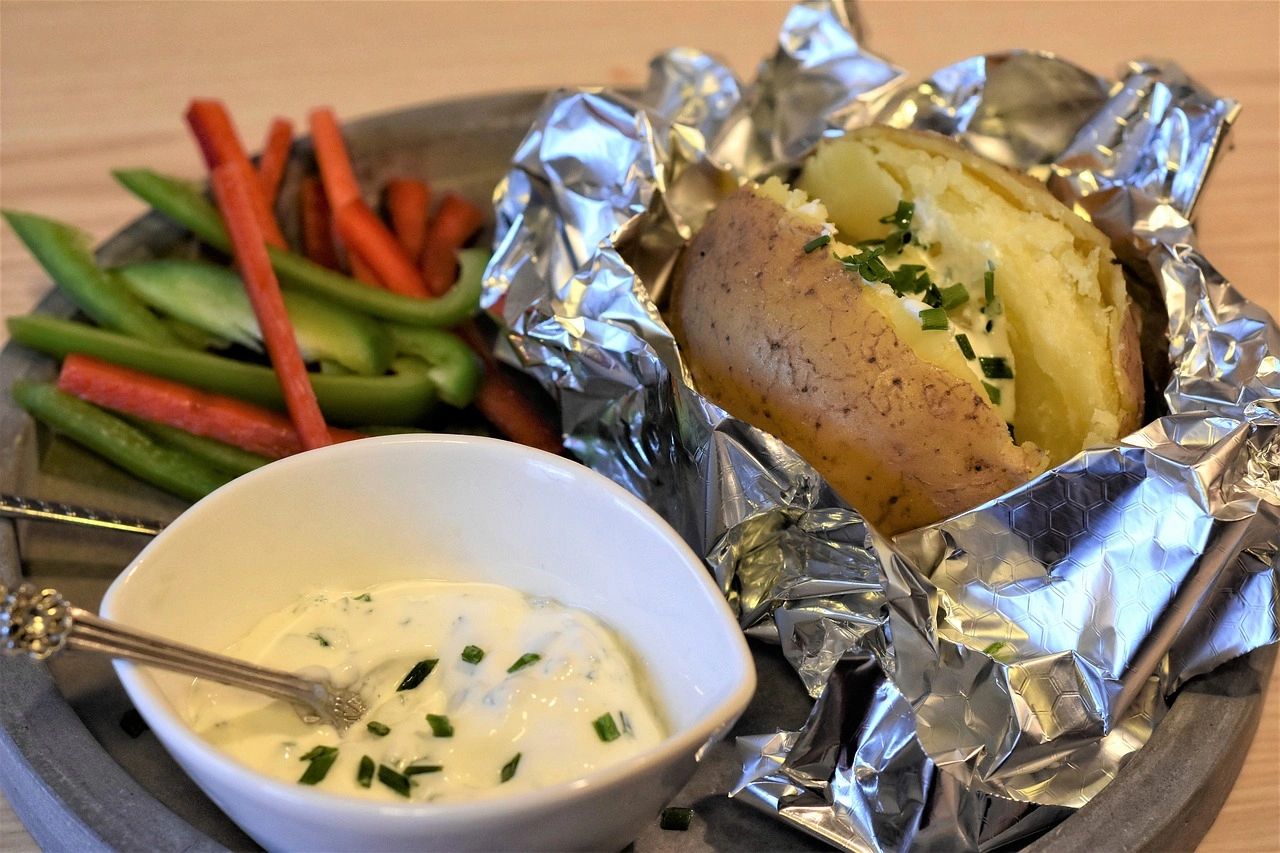
Lunch: Baked potato topped with beans, vegetables, and plain yogurt
Snack: Orange and a handful of almonds
Dinner: Lean protein, quinoa, and roasted Brussels sprouts or another vegetable
Breakfast: Oatmeal with strawberries, walnuts, and chia seeds
Lunch: Turkey, chicken, tofu, or hummus wrap with vegetables
Snack: Boiled egg and cucumber slices
Dinner: Grilled trout or another protein with lentils and leafy greens
You do not need a long list of “forbidden” foods.
Instead, consider limiting foods that are high in added sugar, highly processed, or low in nutritional value when they make up a large part of your diet.
Examples include:
The goal is not perfection. A healthy eating pattern can include foods you enjoy.
Nutrition is only one part of supporting your health during menopause and while managing hypothyroidism.
Walking, cycling, swimming, dancing, strength training, yoga, or other activities you enjoy can support cardiovascular health, muscle strength, mobility, and overall well-being.
 Cardiovascular activities like running can improve wellness
If you are new to exercise or have a health condition, start gradually and ask a healthcare professional if you have concerns.
Menopause can affect sleep, while thyroid problems can also influence energy and sleep patterns.
A consistent bedtime routine, a comfortable sleeping environment, and limiting stimulating activities close to bedtime may help.
If persistent sleep problems are affecting your daily life, talk with a healthcare professional.
Stress does not have to be eliminated completely.
Simple habits such as walking outside, spending time with friends, journaling, breathing exercises, meditation, or enjoyable hobbies can help you make space for recovery and relaxation.
Bone health becomes especially important during and after menopause.
A balanced diet containing calcium and vitamin D, combined with appropriate weight-bearing and strength activities, can help support healthy bones.
Ask your healthcare professional whether you need additional screening or supplements based on your individual situation.
Diet cannot replace thyroid hormone medication when medication is prescribed.
Take your thyroid medication exactly as directed and attend recommended follow-up appointments. If your symptoms change, tell your healthcare professional rather than changing your medication or supplements on your own.
During perimenopause, menstrual cycles can become less predictable. Periods may change in timing, flow, or duration before eventually stopping.
Tracking these changes can help you understand patterns and give you useful information to discuss with your healthcare professional.
Technology is also creating new ways for women to learn more about their reproductive health.
Fibra is developing smart underwear designed to monitor reproductive-system signals and provide insights related to menstrual-cycle timing and ovulation.
If you’re interested in following developments in women’s health wearable technology, you can learn more about Fibra and its approach to reproductive health monitoring.
Managing menopause and an underactive thyroid is not about finding one perfect food.
It is about looking at the bigger picture:
Small, sustainable habits are usually more useful than extreme diets or restrictive food rules.
There is no single diet that is best for everyone. A balanced diet containing vegetables, fruit, whole grains, protein, healthy fats, and key nutrients such as calcium, vitamin D, selenium, and iodine can provide a strong nutritional foundation.
Your individual needs may differ depending on your thyroid condition, medications, age, and overall health.
A balanced diet can support overall nutrition, but diet does not replace thyroid hormone treatment when medication is needed.
If you have hypothyroidism, work with your healthcare professional to monitor your thyroid levels and treatment.
There is no universal list of foods that everyone with hypothyroidism must avoid.
Instead, be cautious about high-dose supplements, particularly iodine supplements, unless recommended by a healthcare professional. If you take thyroid medication, ask your pharmacist or doctor about food and supplement timing.
For most people, there is no need to completely avoid these vegetables. Broccoli, kale, cabbage, and similar vegetables can be nutritious parts of a balanced diet.
If you have specific concerns about your thyroid condition or iodine intake, discuss them with your healthcare professional.
Focus on a varied diet that provides protein, fiber, healthy fats, calcium, vitamin D, and a wide range of fruits and vegetables.
Foods such as fish, eggs, beans, lentils, yogurt, whole grains, nuts, seeds, and vegetables can all fit into a menopause-supportive eating pattern.
You can keep a simple record of your period dates, symptoms, sleep, and other changes you notice.
Newer women’s health technology is also exploring ways to monitor reproductive-health signals and provide additional cycle insights.
There is no need to find a perfect diet for menopause and hypothyroidism.
Start with the basics: eat a variety of nutritious foods, include enough protein and fiber, pay attention to nutrients important for bone and overall health, stay active, prioritize sleep, and keep up with your thyroid care.
Just as importantly, pay attention to changes in your body. Tracking your menstrual cycle and other symptoms can help you recognize patterns and have more informed conversations with your healthcare professional.
Your health is not a checklist you have to complete perfectly. It is an ongoing process of learning what works for you.