

Fibra™ Updates: Cutting-Edge Technology Meets Women’s Health
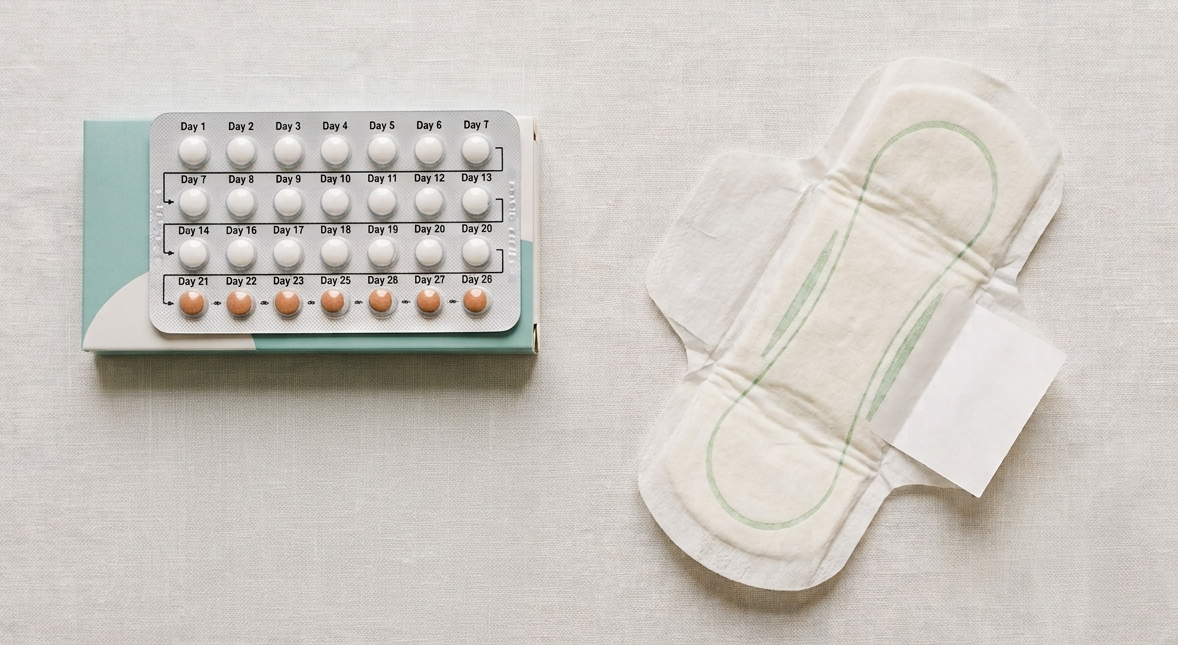
If you take hormonal birth control, you might be used to a bleed arriving like clockwork every month. Many people start taking birth control—especially birth control pills—to fix irregular periods or manage uncomfortable period symptoms like severe period cramps, heavy bleeding, or unpredictable cycles. If your menstrual cycle was messy or painful, starting hormonal birth control often makes it feel like your body finally clicked into a predictable, monthly routine. But have you ever wondered: is that bleed actually a real period?
The answer: no.
It is a common misconception for people to assume that they are having they ‘period’ while taking contraceptives. Understanding how birth control and periods interact—and what is actually happening inside your body—is key to taking control of your menstrual health.
Here is a breakdown of what happens during a normal menstrual cycle, what happens when you use birth control, and what to expect if you decide to stop.
To understand how contraceptives work, it helps to first look at what happens during each phase of the menstrual cycle naturally.
A normal menstrual cycle length typically lasts between 21 to 35 days (averaging 28 days). The cycle begins on the first day of your period and ends the day before your next period begins.
Throughout this natural period cycle, changing hormones during menstrual cycle influence your mood, energy levels, sleep, vaginal discharge, and even body temperature.
On the day menstrual period is supposed to happen, the synthetic estrogen and progestin in the contraceptive travels to both the hypothalamus and pituitary gland to suppress FSH production, preventing follicle maturation. This causes the uterine lining not to thicken. As progestin and estrogen suppresses FSH and LH, ovulation is not possible.
When you are using combined hormonal birth control—such as birth control pills, the patch, or the vaginal ring—you do not experience a true menstrual period. Instead, you experience a withdrawal bleed that mimics a regular period. This happens when you stop taking hormonal birth control or during the ‘break’ of the birth control schedule.
Yes. Combined birth control work primarily by stopping ovulation.
The synthetic birth control hormones keep your body’s hormone levels steady. This tricks your ovaries into thinking you don’t need to release an egg.
Because of how birth control affects hormones, contraceptives alter more than just your bleed:
Understanding birth control and menstrual cycle mechanics takes the mystery out of your monthly cycle—helping you make informed decisions about your body and period health. Remember to always consult your doctor prior to deciding about starting, stopping, or changing medications.