

Fibra™ Updates: Cutting-Edge Technology Meets Women’s Health
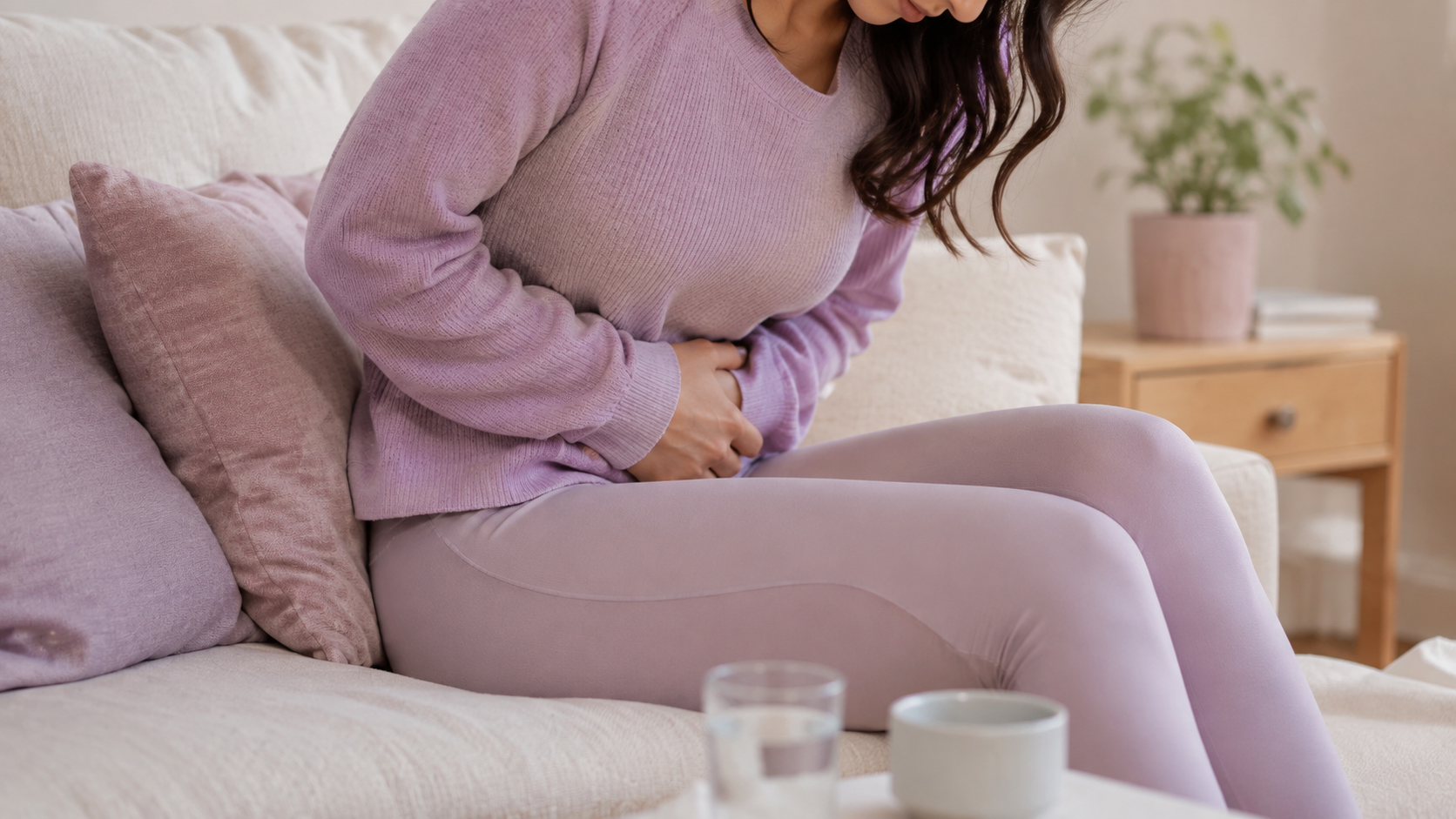
Every month, millions of women experience baseline discomfort during their period cycle. Mild lower-belly aches, slight fatigue, and mild bloating are common period symptoms. However, when severe period pain disrupts your daily life, forces you to take time off work, or leaves you doubled over on the couch, it is no longer just a “bad period”—it could be endometriosis.
Because many endometriosis symptoms overlap with common menstrual discomforts, diagnosing the condition can be tricky. Understanding what is endometriosis, learning how to know if you have endometriosis, and recognizing the difference between endometriosis vs normal period pain are essential steps toward protecting your long-term period health.
To understand endometriosis pain, it helps to look at what is endometriosis in the body.
Endometriosis is a chronic disease where tissue similar to the lining of the uterus (the endometrium) grows outside the uterus. These growths commonly appear on the ovaries, fallopian tubes, outer uterine wall, bladder, and bowel.
During your period, this misplaced tissue responds to changing hormones: it thickens, breaks down, and bleeds just like your uterine lining. However, unlike period blood that leaves your body through the vagina, this fluid has nowhere to go. It becomes trapped, leading to severe inflammation, scar tissue formation, severe endometriosis and pelvic pain, and adhesion development (causes pelvic tissues and organs to stick together).
It can be difficult to tell whether your pain is standard or a sign of endometriosis symptoms in women. Key differences include:
A healthcare provider will review your medical history, perform pelvic exams, and may order imaging like ultrasounds or MRIs. However, the definitive method for endometriosis diagnosis is a minimally invasive procedure called a laparoscopy.
Currently, there is no permanent prevention or cure for endometriosis, but effective endometriosis treatment can manage pain and preserve fertility:
While there is currently no known cure for endometriosis, enhanced awareness, early diagnosis, and access to quality health care are critical. Timely medical intervention can effectively slow disease progression, reduce long-term symptoms, and lower the risk of developing central nervous system pain sensitization. If you suspect your period pain is more than standard cramps, advocating for your health and seeking professional medical support is the most essential step toward long-term relief.