

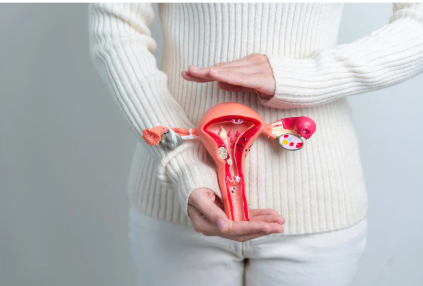

Today, May 8, is World Ovarian Cancer Day. It is a reminder of how important it is to understand ovarian cancer symptoms, know your personal risk factors, and talk openly about reproductive health.
Ovarian cancer is one of the deadliest gynecologic cancers. According to Houston Methodist, more than 20,000 women in the U.S. are expected to be diagnosed with ovarian cancer in 2025. It is also the fifth leading cause of cancer-related death among women.
One reason ovarian cancer can be hard to detect early is that the symptoms are often easy to miss. They can feel like common digestive, urinary, or menstrual issues.
Symptoms may include:
These symptoms are worth discussing with a healthcare provider, especially if they happen almost every day for several weeks or do not go away.
Risk factors can vary from person to person. Age is one of the biggest risk factors, with ovarian cancer occurring most often in women over 50, especially after menopause.
Family history also matters. Having close relatives with ovarian, breast, or colorectal cancer may increase risk. Inherited gene changes, such as BRCA1 or BRCA2, can also greatly raise a person’s chance of developing ovarian cancer.
Other risk factors may include endometriosis, never having had children, starting menstruation very young, or reaching menopause later.

Because ovarian cancer symptoms can be subtle, noticing patterns over time can be an important part of reproductive health awareness.
Fibra was created to help women feel more connected to their bodies. By making everyday health patterns easier to track, understand, and discuss, Fibra supports a more informed approach to reproductive health.
Fibra’s Smart Underwear helps monitor cycle patterns and biological indicators such as body temperature. While Fibra is not a diagnostic tool, it can help users better understand their personal baseline and notice when something feels different from their normal.
That kind of awareness can make conversations with healthcare providers more helpful. For example, if a user experiences persistent bloating, pelvic discomfort, irregular bleeding, cycle changes, urinary changes, digestive changes, or other unusual symptoms, Fibra’s insights may help them explain what they have been noticing.
Instead of relying only on memory, users can bring a clearer picture of their body’s patterns into medical appointments. This may include details such as timing, frequency, and symptom history.
Fibra does not replace clinical care, screening, or diagnosis. Instead, it helps women become more aware of their bodies and better prepared to advocate for themselves.
By making reproductive health data easier to notice and organize, Fibra supports the kind of everyday awareness that can lead to more meaningful conversations with clinicians.
This World Ovarian Cancer Day, Fibra’s message is simple: listen to your body, track what changes, and feel empowered to ask questions when something does not feel right.
Fibra Technology: https://myfibra.com/technology/
Houston Methodist: https://www.houstonmethodist.org/newsroom/ovarian-cancer-awareness-month-what-every-woman-should-know/