
Fibra™ Updates: Cutting-Edge Technology Meets Women’s Health
Published: November 17, 2026
Most people think about their cycle in terms of periods and hormones. Few think about their heart. Yet research shows that your resting heart rate and heart rate variability (HRV) shift in a fairly predictable way across the menstrual cycle, including around ovulation.
This guide explains what heart rate and HRV are, what studies have found about how they change across the cycle, and what these heart signals can and can’t tell you about ovulation.
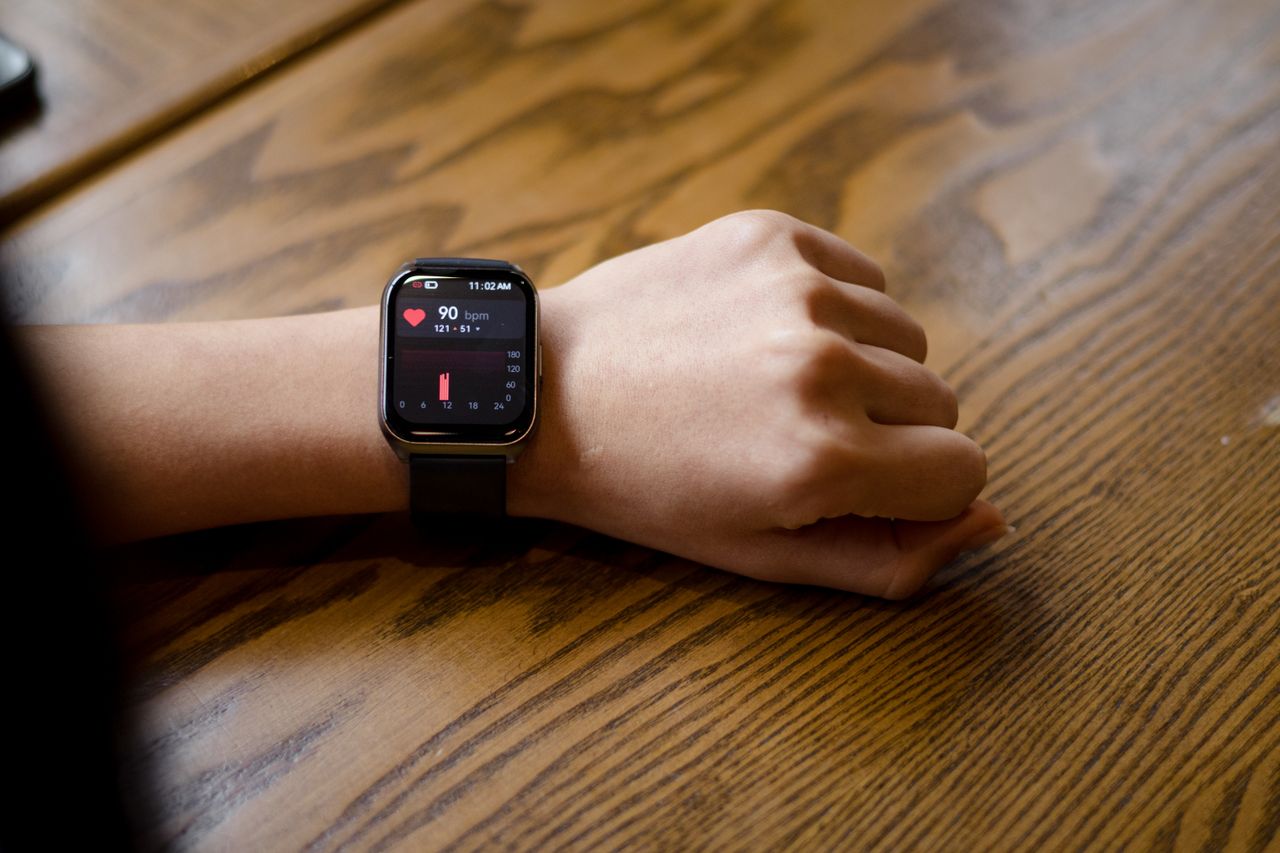
Resting heart rate is how many times your heart beats per minute while you are at rest, often measured during sleep. Heart rate variability (HRV) is the tiny variation in time between one heartbeat and the next. Higher HRV generally reflects more activity of the vagus nerve, part of the body’s restorative “rest and digest” system [1].
Both are affected by many everyday factors, including sleep, stress, alcohol, illness and exercise. That’s why researchers look at patterns over time rather than single readings.
A meta-analysis pooling 37 studies and 1,004 participants found that HRV decreases from the follicular phase to the luteal phase in naturally cycling women [1]. A follow-up study that measured hormones alongside HRV found these changes were associated with progesterone, the hormone that rises after ovulation [3].
In other words, after ovulation many people see their resting heart rate drift up and their HRV drift down, then reset around their next period.
Heart rate and HRV patterns are subtle, and they only become meaningful when they’re tracked consistently across several cycles. Fibra is designed to track signals including heart rate and HRV continuously through the underwear you already wear, alongside other signals such as skin temperature, so you can see how your own pattern looks over time.
Fibra is not a diagnostic tool and cannot confirm ovulation on its own. If you have concerns about your cycle or your heart health, speak with a qualified healthcare professional.
This article is for general educational purposes and is not a substitute for individualized medical advice, diagnosis, or treatment. If you are concerned about changes in your menstrual cycle, speak with a qualified healthcare professional.